


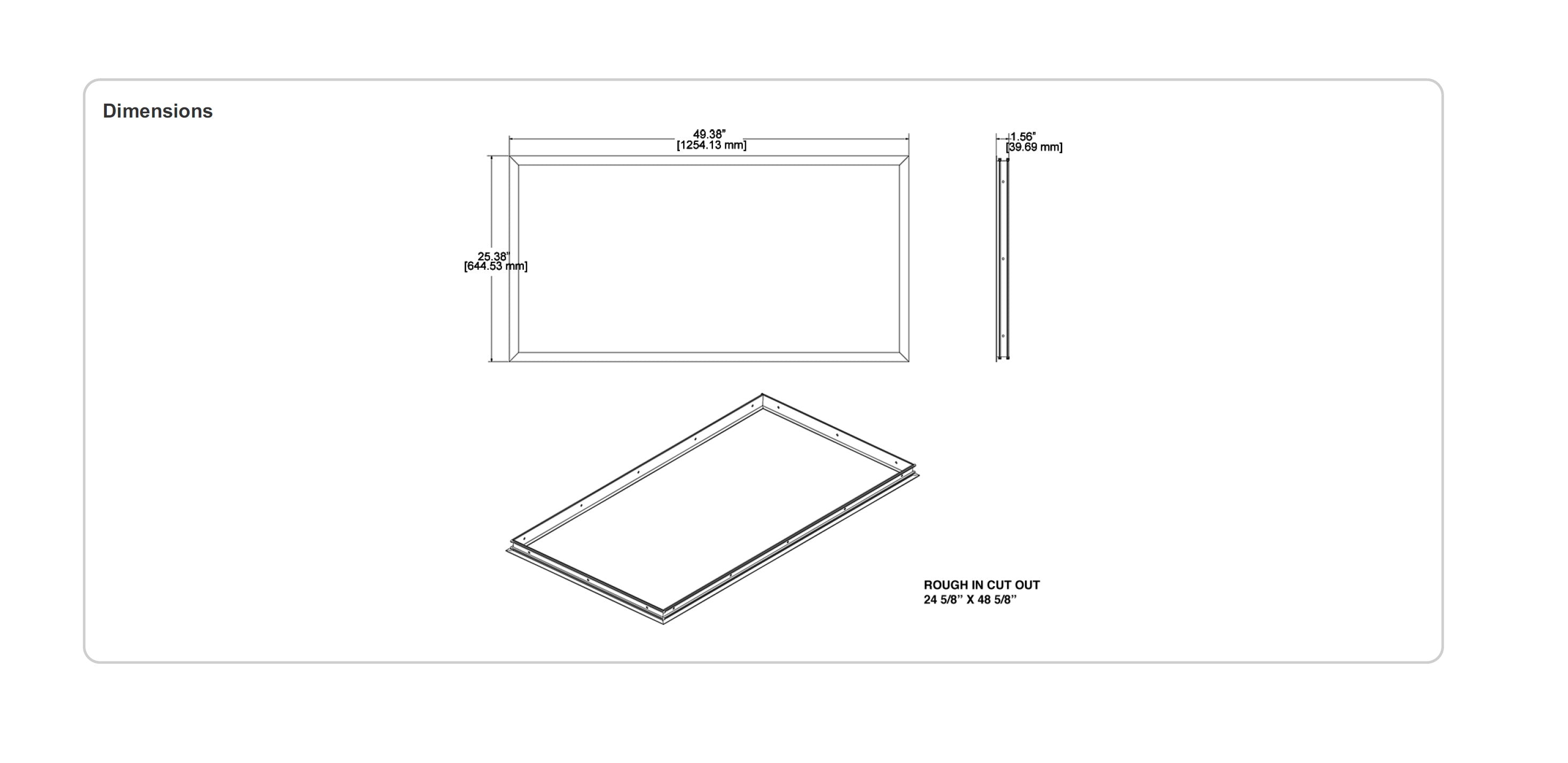
RAB Lighting RMKPANEL2X4 Recessed Mounting Kit for 2X4 Panel Fixtures
Choose your option
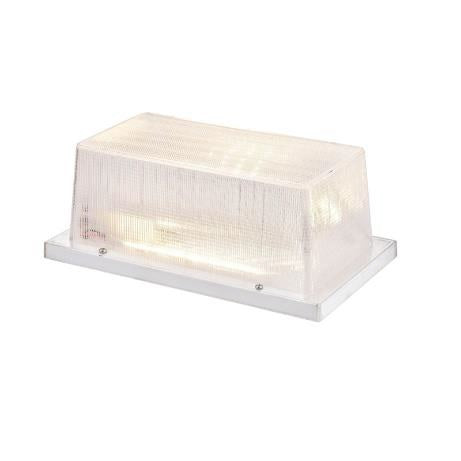
Sunpark 3-0102D 15W LED Outdoor Light Fixture 4000K
Choose your option
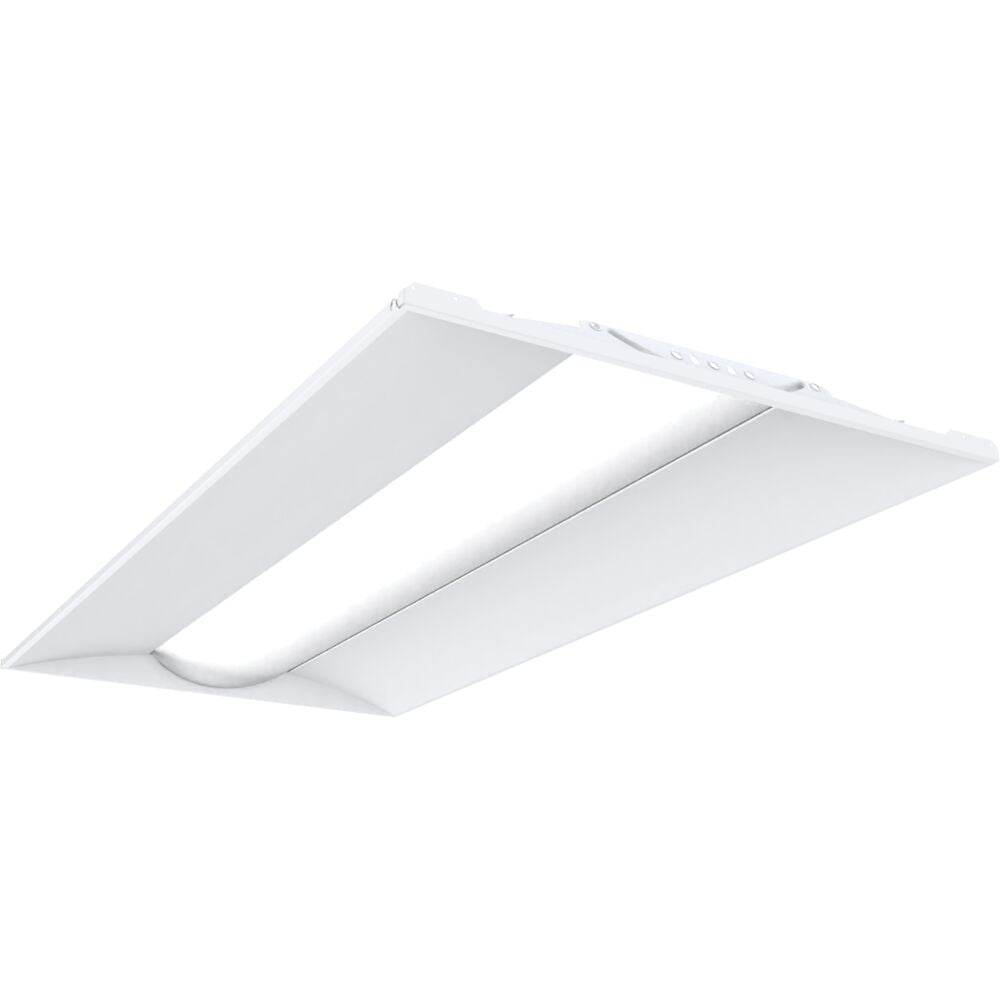
Lithonia Lighting STAKS 2X4 ALO6 SWW7 Stack Switch Recessed LED Center Element Lay-in Troffer Light Fixture Dimmable
Choose your option
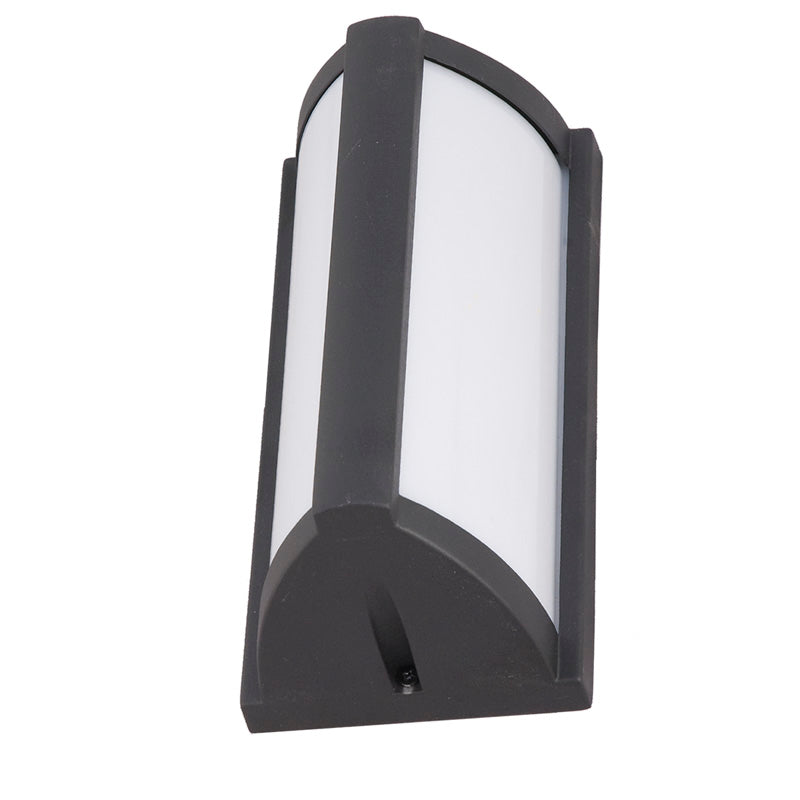
Sunpark 3-4182D-3000K-120V-ORB 15 Watt LED Outdoor Wall Mount Fixture 3000K 120V
Choose your option
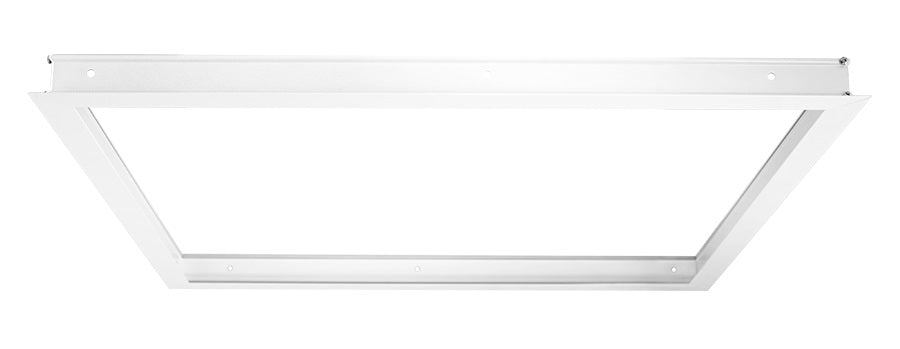
RAB Lighting RMKPANEL2X2 Recessed Mounting Kit for 2X2 Panel Fixtures
Choose your option

Nicor Lighting DLF5S120S9 SureFit 5-inch Wattage and Color Selectable Ultra Slim Surface Mount LED Downlight Dimmable
Choose your option
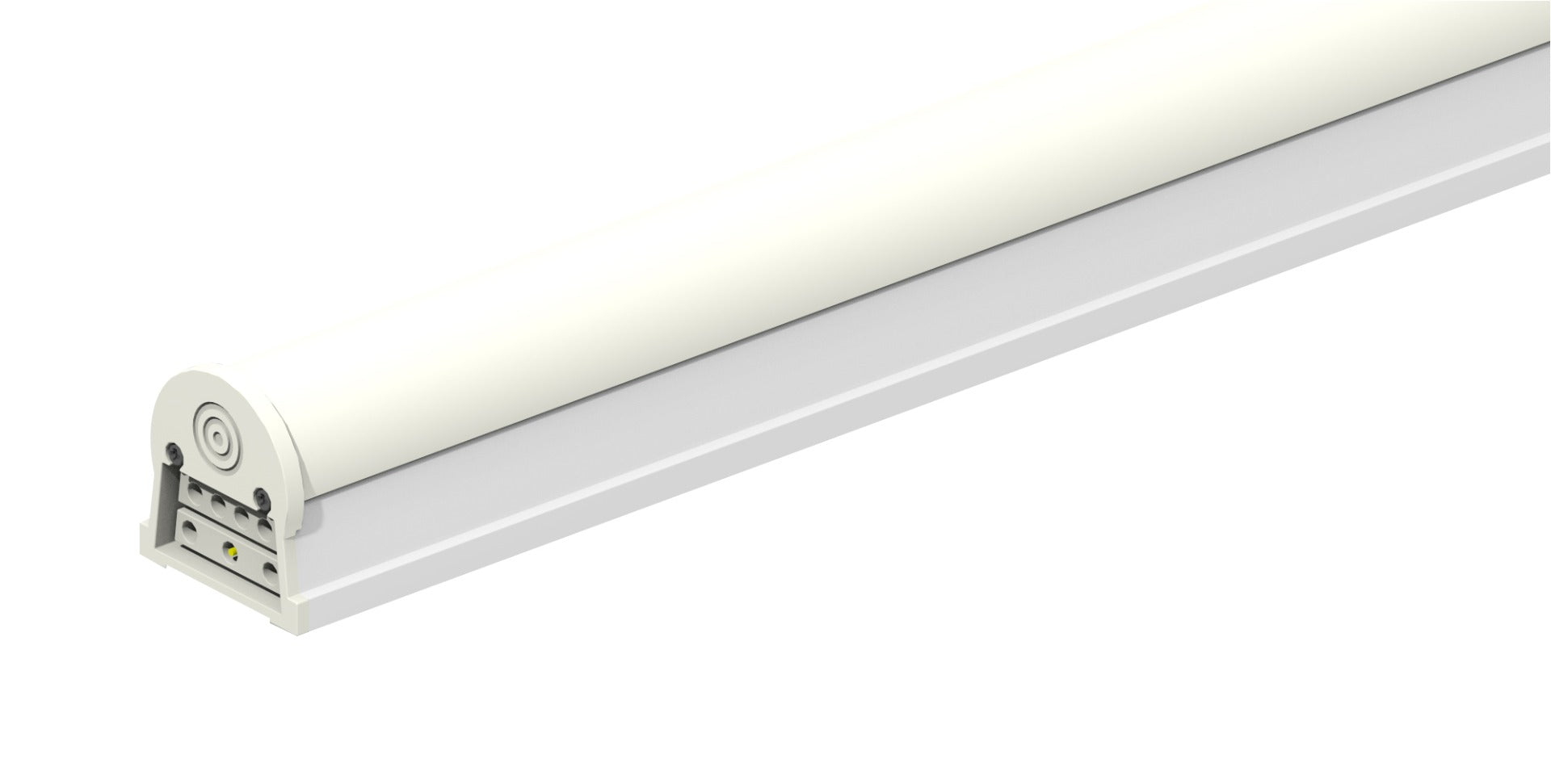
RemPhos RP-LBI-G1-4F-15W 4-Foot LED PRO Internal Drive Light Bar Kit Flex Watt Color Selectable 3500/4000/5000K - One Bar
Choose your option
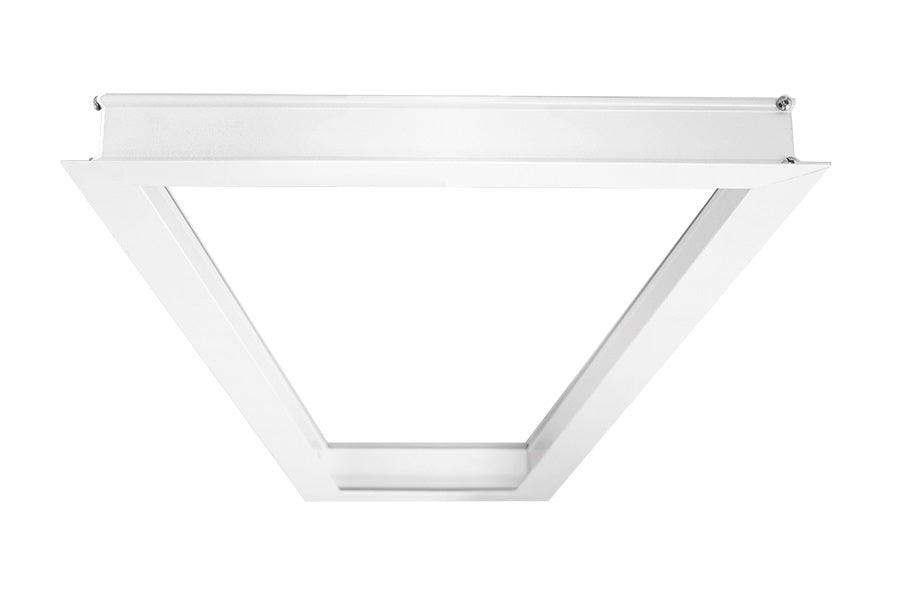
RAB Lighting RMKPANEL1X4 Recessed Mounting Kit for 1X4 Panel Fixtures
Choose your option

Aleddra G2PRO 4FT Emergency T5 LED Tube 22W – 3CCT Selectable, UL924, Ballast Bypass
Choose your option
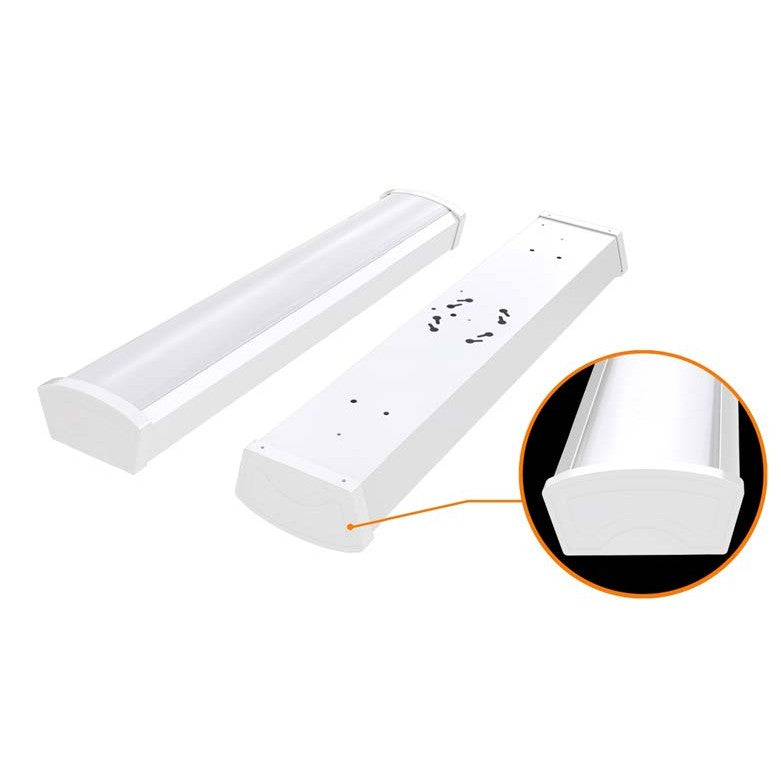
Satco Lighting 65-1082 40 Watt 4 Foot Surface Mount LED Ceiling Wrap Fixture 120-277V White Finish 4000K
Choose your option
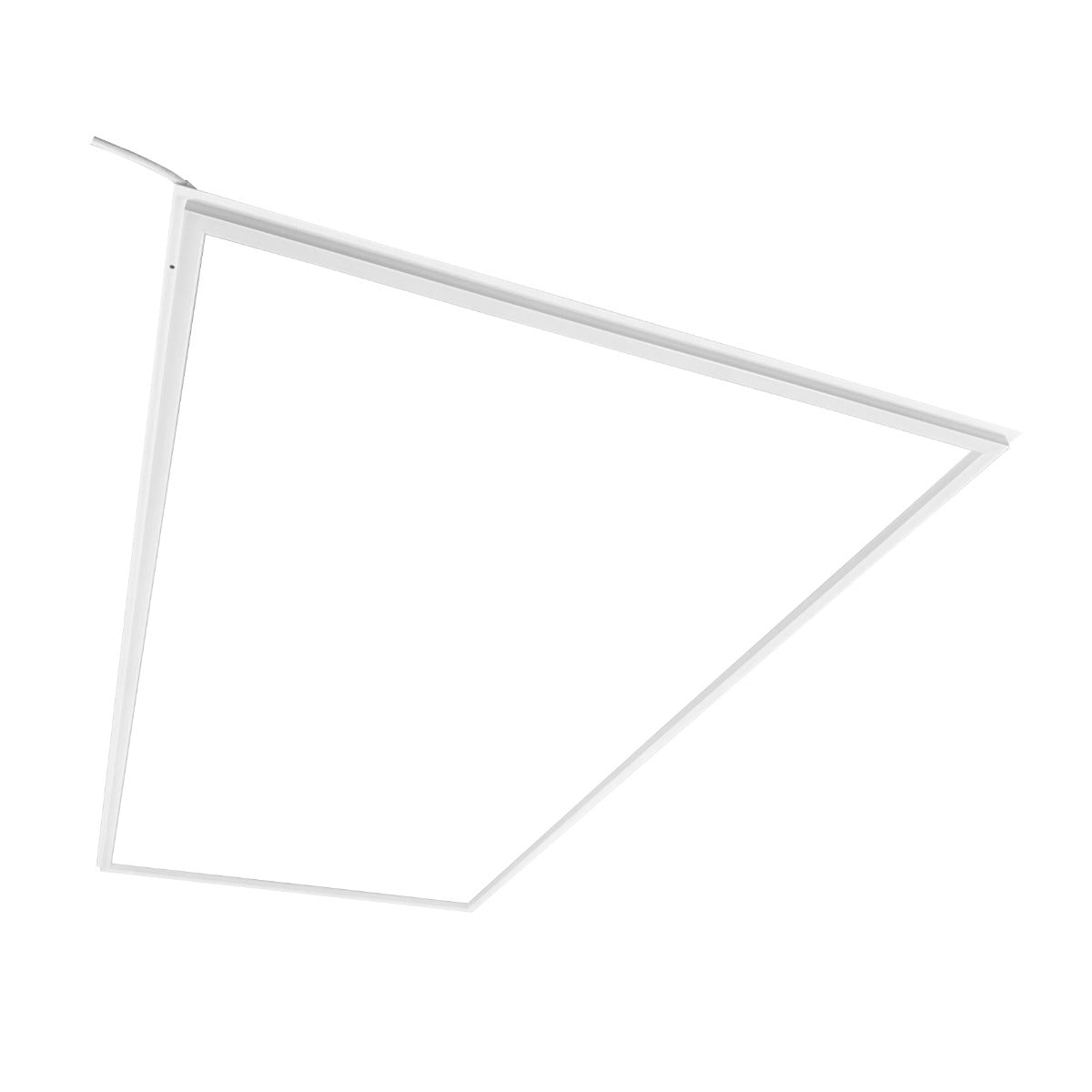
Westgate TGL-2X2-MCTP TGL Series 2x2 T-Bar Grid FRAME Light Fixture with Multi-Power and Multi-Color Dimmable
Choose your option
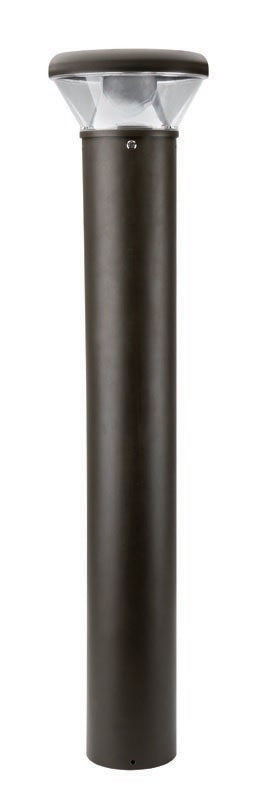
SLG Lighting AB 30 G1 FSK 26-Watt Color Selectable LED Bollard Lights Gen 1 Dark Bronze Replaces 50W MH
Choose your option
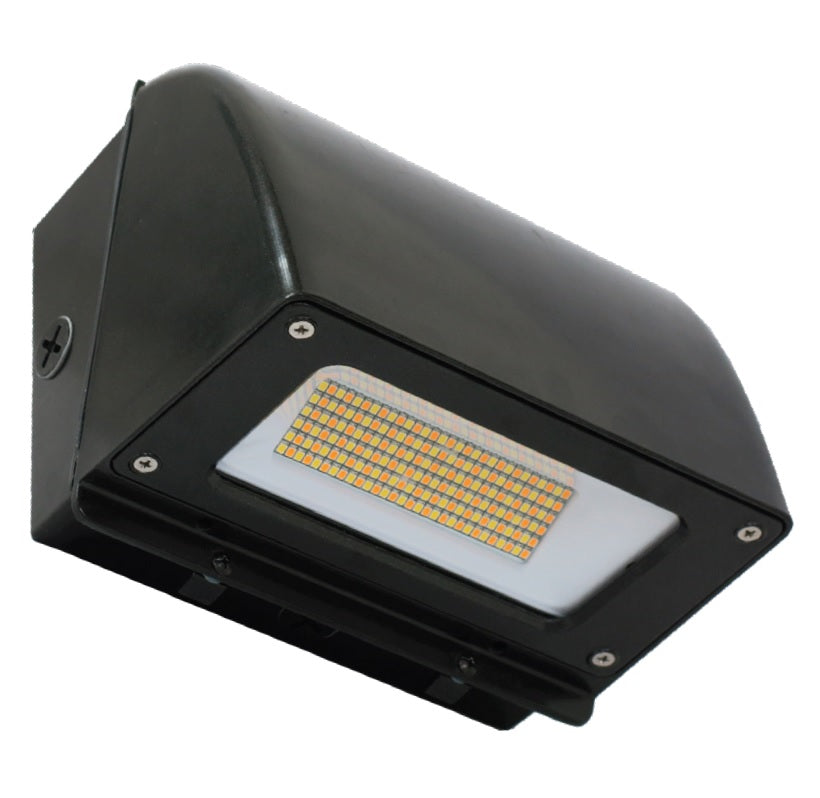
Jarvis Lighting AWP Wattage and Color Adjustable Dark Sky Forward Throw Wall Pack Fixture Dimmable
Choose your option
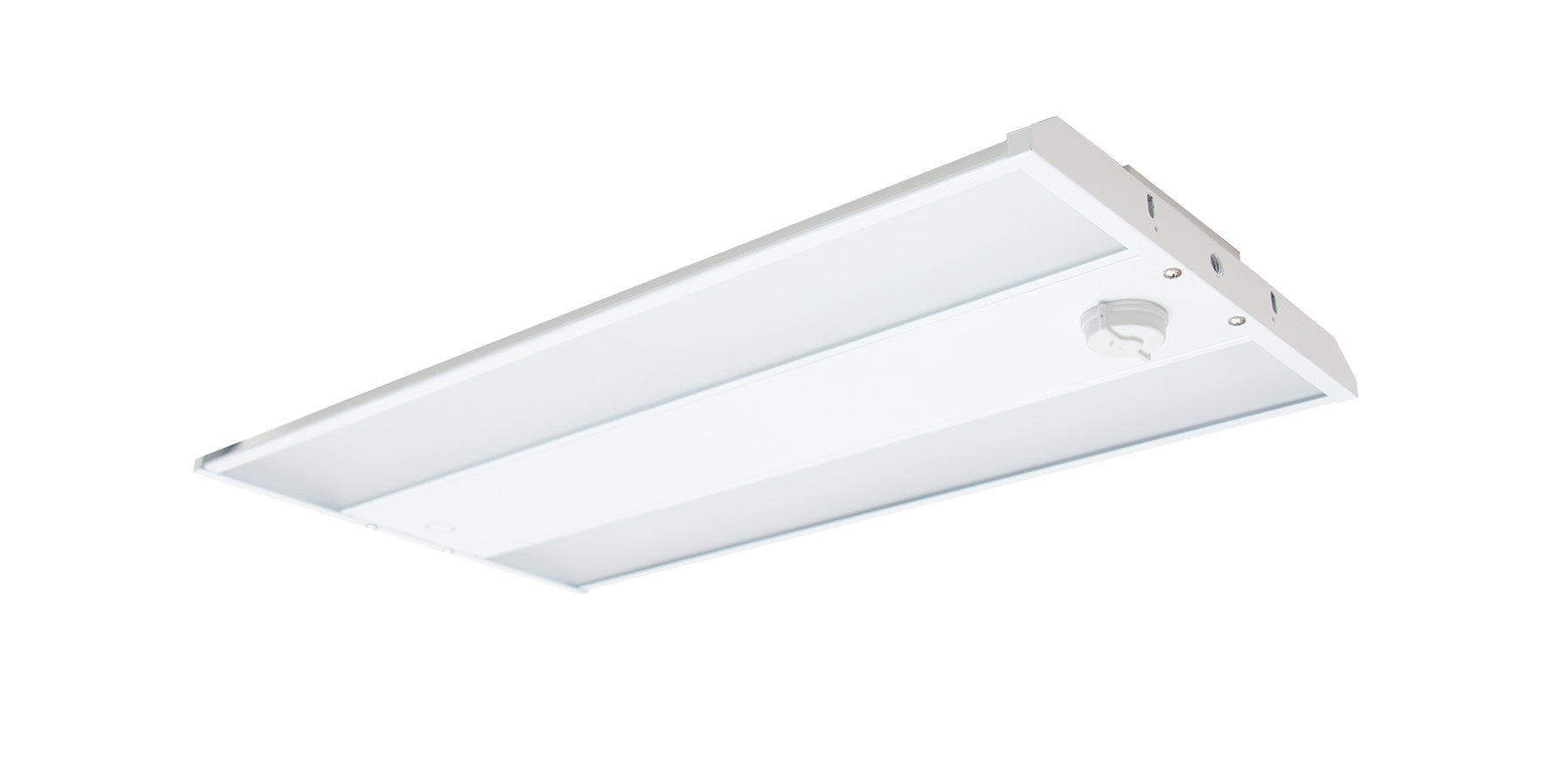
NaturaLED HBL Wattage and Color Selectable LED Linear High Bay Light Fixture Replaces 400W-1000W HID
Choose your option
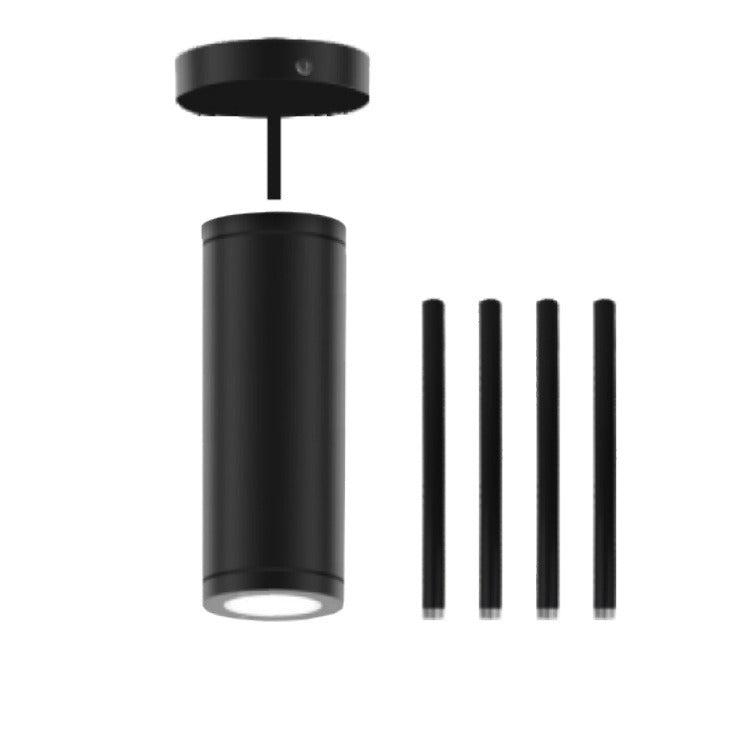
Dauer DLED Series LED Architectural Cylinder Light Fixture – Dimmable, Selectable CCT, DLC Premium
Choose your option
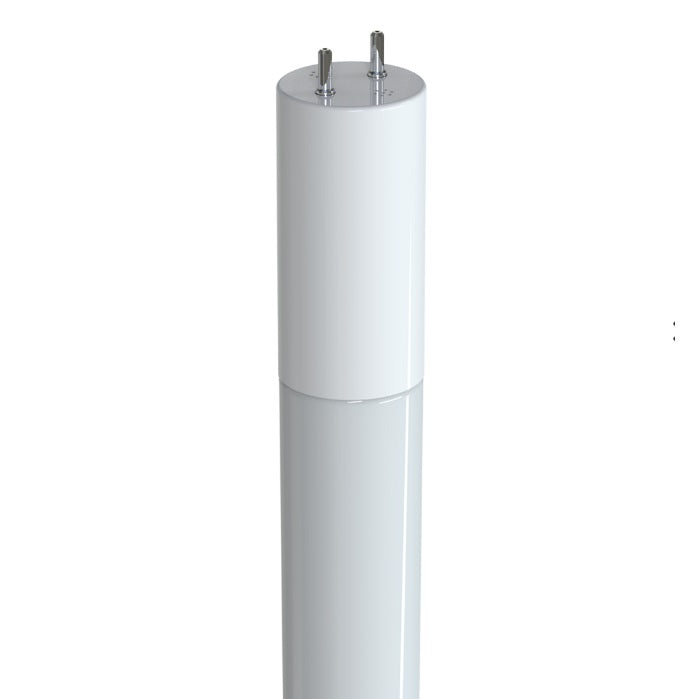
Eiko L9.5WT8/48/BSDG/840 DLC Listed 4FT 9.5-Watt LED Single-Double Ended Type B T8 Linear Tube Lamp 4000K Replaces 32W Fluorescent
Choose your option
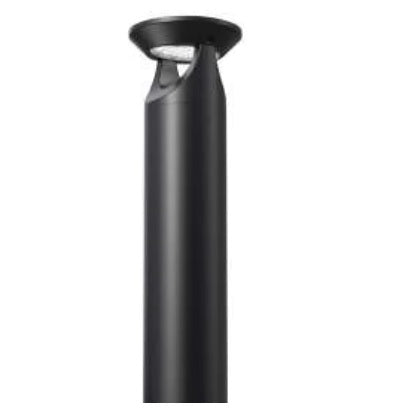
Westgate BOL-G4-301-SOLAR-40K 3-Watt LED Solar Modular Bollard Light Fixture 4000K
Choose your option
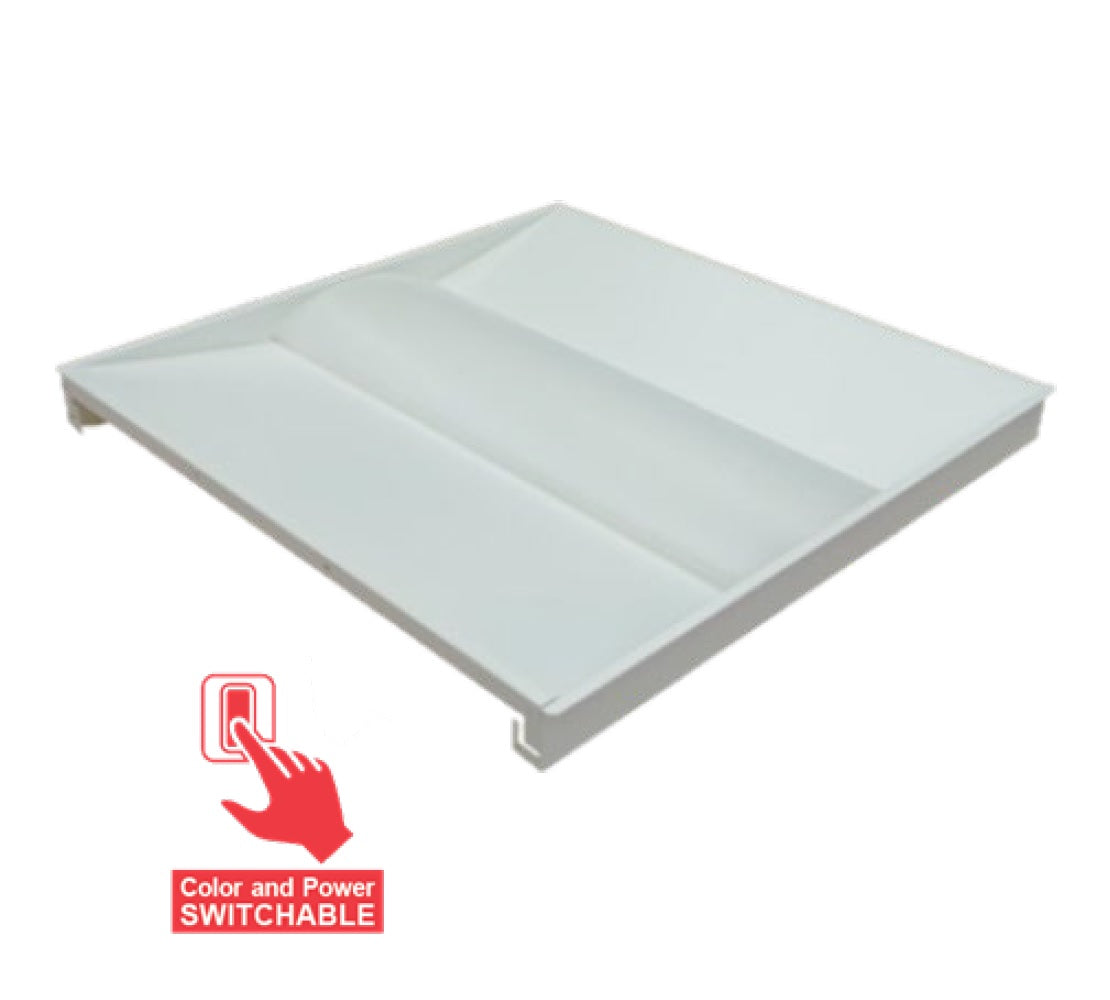
Barron Lighting CBLQ-24-CP DLC Premium Listed Wattage and Color Adjustable 2x4 LED Center Basket Troffer Light Fixture Dimmable
Choose your option
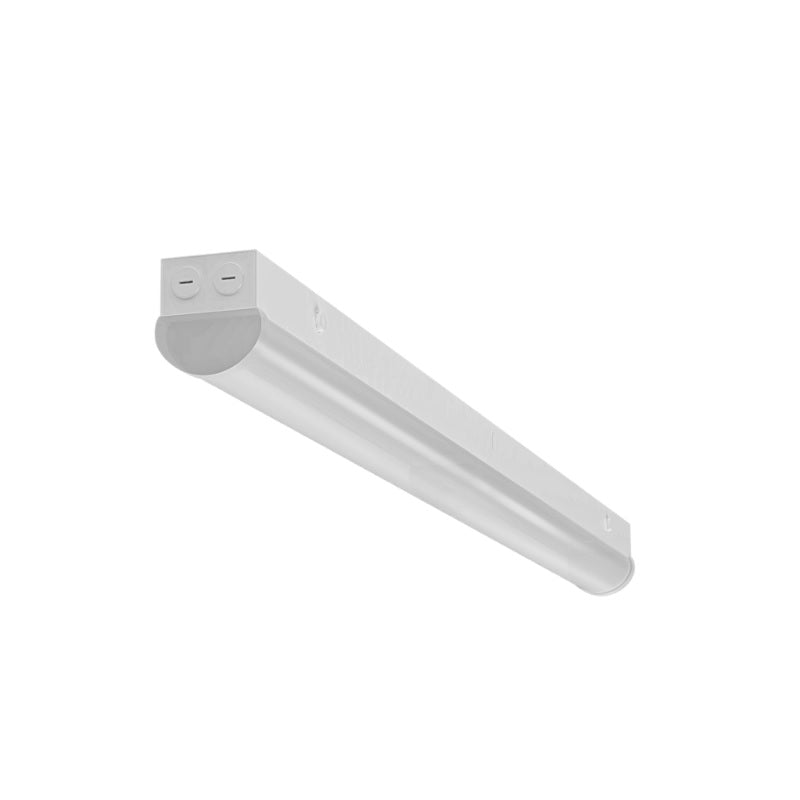
Litetronics SWFS4 DLC Premium Listed 4FT LED Stairwell Fixture with Adjustable Wattage and Color
Choose your option
LED Office Lights: Design, Specification, and Energy-Saving Guide
LED office lighting encompasses a range of fixtures specifically designed for commercial office environments and other commercial spaces. These fixtures utilize light-emitting diode technology to replace older fluorescent systems, offering improved general lighting and instant full brightness. The target audiences for this guide include facility managers, designers, and procurement teams who are involved in selecting and specifying office lighting solutions.
Why LED Lighting Is the Standard for Modern Offices
LED office lights are professional-grade office fixtures intended for commercial environments rather than consumer products. They are rapidly replacing fluorescent fixtures because they provide superior general lighting, reach full brightness instantly, and enable businesses to reduce energy consumption, electricity bills, and maintenance costs. The longer lifespan of LED fixtures means fewer replacements are needed, which minimizes disruptions in busy workspaces and creates a more reliable environment for teams. Additionally, better fixture performance leads to more consistent light quality, enhancing visual comfort and making it easier for employees to maintain focus and productivity. LED lighting also allows for appropriate light levels that can be adapted to different tasks and individual preferences, providing tailored lighting solutions within the office.
Why LEDs Improve Office Performance
One of the primary reasons businesses adopt LED office lighting is the improved visual comfort it provides. Quality LED fixtures distribute light evenly, reducing glare on screens and desks, which is especially important in modern office environments where computer work predominates. Poor lighting can disrupt focus and increase fatigue throughout the day. Compared to older fluorescent fixtures, LED systems offer immediate full brightness with no warm-up time and significantly reduce eye strain caused by flicker, glare, and uneven illumination. This creates a more comfortable working environment and supports better employee productivity by making tasks easier to see and reducing visual distractions. LEDs also provide superior color rendering, allowing materials, finishes, and skin tones to appear more natural under the light. Additionally, LEDs last 25 times longer than traditional incandescent bulbs, lowering maintenance demands and maintaining consistent lighting performance over time. To measure the impact of LED lighting upgrades, organizations can track occupant satisfaction through surveys assessing visual comfort, headaches, concentration, glare complaints, and task visibility. These metrics help confirm improvements in day-to-day comfort and performance.Commercial LED Office Lighting
Upgrade your office with energy-efficient LED lighting designed for productivity and comfort. Shine Retrofits carries a wide selection of commercial-grade office lighting solutions from trusted manufacturers — built to reduce energy costs while improving light quality in any workspace.
Why Traditional Office Lighting Falls Short
Traditional fluorescent systems often suffer from common issues such as flicker, glare, and uneven light intensity, which contribute to poor visual comfort, especially during computer-based work. These problems can lead to eye strain, headaches, and reduced productivity. In contrast, LED upgrades significantly reduce eye strain by eliminating flicker and providing better color rendering, so materials and surfaces appear in their true colors. Fluorescent fixtures also require ballast maintenance and frequent relamping, which adds to operational burdens. Replacing indoor fluorescent tubes with LED lighting allows systems to reach full brightness immediately and typically last between 50,000 to 100,000 hours, greatly reducing maintenance costs. Moreover, fluorescent lighting contains mercury, which requires special disposal procedures and regulatory compliance, whereas LEDs are mercury-free and eco friendly. LEDs use at least 75% less energy than incandescent sources, further lowering energy consumption and electricity bills in commercial office settings. As a result, LEDs have become the standard lighting choice in office environments, replacing both fluorescent fixtures and improvised consumer-grade products. Proper lighting helps create a comfortable working environment that supports human health, improves mood and concentration, and enhances employee productivity. Improved lighting quality in office spaces correlates with measurable productivity gains and reduced absenteeism linked to poor lighting conditions. When considering layout flexibility, teams can tailor lighting levels in specific areas, rooms, and executive offices to suit individual preferences and needs.
Energy Efficiency and Energy Savings
LED office lighting typically achieves significant energy savings compared to traditional options. Energy consumption is reduced by 40-60%, and when combined with smart controls such as occupancy sensors and daylight-responsive dimming, some projects can cut energy use by up to 90%. This translates into annual cost savings per fixture, which appear as noticeable reductions on electricity bills. When calculating return on investment (ROI), it is important to consider metrics such as the number of lumens required for the office space, target light intensity, and maintenance intervals, along with the broader benefits of energy-efficient LED lighting solutions. Fluorescent lighting often suffers from glare, flicker, unstable light output, and weaker performance for computer work, whereas modern LED fixtures eliminate flicker that causes eye strain, reduce headaches significantly, and improve overall visual comfort. LEDs also provide better color rendering with more accurate true colors, delivering clearer light that reduces visual discomfort and enhances focus. In addition to energy savings, offices can take advantage of incentives and rebates offered by utilities or government programs to offset upgrade costs.
Daylight Harvesting and Smart Controls
Daylight harvesting is a lighting control strategy that uses sensors to dim electric fixtures when sufficient natural daylight is available, maintaining comfortable lighting levels while reducing wasted light throughout the space. To optimize energy savings and maintain proper lighting, daylight controls should be paired with occupancy sensors and compatible dimming protocols. This ensures that each room adjusts automatically based on actual use and the amount of natural sunlight. With these controls, LED fixtures can achieve energy consumption reductions of up to 90% compared to legacy systems. A typical office conversion using these technologies can save approximately $2,000 to $4,000 annually in energy costs, directly lowering electricity bills. For accurate ROI calculations, it is essential to include the lumens needed for the office and the required light intensity to ensure maintained performance.
LED Troffer Lights and LED Troffers
LED troffers are rectangular office fixtures designed to fit standard drop ceilings and provide even general lighting in commercial office spaces, similar to many LED troffer and panel lighting solutions used in offices and other commercial buildings. They are commonly available in 2x2 and 2x4 foot layouts and often serve as direct replacements for older fluorescent units. This compatibility simplifies upgrades by allowing installation without major ceiling modifications. Troffers are a practical choice when maintaining the original ceiling grid layout is important, whereas flat panels offer a slimmer profile and softer light. When selecting replacement fixtures, it is important to check specifications such as size, lumen output, color temperature, color rendering index (CRI), glare control, and dimming compatibility. If implementing lighting controls, daylight-responsive dimming combined with occupancy sensors is recommended for rooms and shared spaces. Control systems should support integration with smart lighting protocols to enable automatic adjustment of lighting levels based on occupancy and available natural daylight. For optimal energy savings, lighting output should be tuned by individual rooms or spaces rather than using a uniform setting throughout the office.
LED Lights Fixture Types and Applications
LED office lighting includes several fixture types such as panels, troffers, downlights, and wraparounds, along with other commercial lighting fixtures and components used across office environments. LED troffers are popular for providing general lighting in commercial office environments, while recessed downlights are well suited for reception areas or other specific locations where accent lighting enhances visual interest. Panels or troffers are typically used for open workspaces to provide uniform illumination, supplemented by task lighting at individual desks. Softer light output is often preferred in lobbies to create a relaxed atmosphere. Conference rooms should be planned to ensure even lighting over the conference table, with some indirect light to improve video call visibility. Many LED troffers are designed to fit standard ceiling grids, making them direct replacements for legacy fixtures. LED flat panels are ideal for drop ceilings when a slim visual profile is desired. Wraparound fixtures are suitable for hallways, break areas, and utility rooms where bright, practical lighting is needed, and can be complemented by energy-efficient LED surface mount ceiling lights in areas that require low-profile ceiling fixtures. Lumen ranges should be selected based on the specific office tasks, room size, and intended use to provide proper ambient and task lighting.
Emergency Lighting Requirements
Office lighting must comply with code-driven emergency lighting requirements to ensure safety during power outages or emergencies. Integrated emergency LED solutions that combine normal and emergency lighting functions are recommended for ease of installation and maintenance, and many projects use commercial LED retrofit kits to upgrade existing fixtures to meet current emergency lighting requirements. These systems typically include battery backup and automatic switching to emergency mode when power is lost. It is important to schedule regular testing and maintain documentation of battery life and functionality to meet regulatory standards and ensure occupant safety.
Color Temperature and Color Rendering
Selecting the appropriate color temperature for office lighting is crucial to support different tasks and create the desired atmosphere, especially when choosing LED lamps and light bulbs that must match fixture compatibility and dimmability requirements. Neutral white light around 4000K is widely preferred for general office environments because it balances visual clarity with comfort. Warmer color temperatures (3000K to 3500K) are often used in lobbies, reception areas, and executive offices to create a welcoming ambiance. Cooler temperatures (5000K or higher) are suitable for design studios, medical exam rooms, and detail-oriented workplaces where maximum clarity and color accuracy are needed. Color rendering index (CRI) targets should be set to 80 or higher to ensure accurate color representation, with higher CRI values (90+) recommended for spaces requiring precise color discrimination. Tunable white lighting strategies can support circadian health by adjusting color temperature throughout the day to align with natural rhythms.
Specification, Procurement, and ROI for LED Office
When specifying LED office lighting, include performance criteria such as efficacy, glare control, dimming capability, color temperature range (typically 3000K to 6500K), and CRI targets (80-95+). Commercial-grade fixtures differ significantly from consumer products in durability and performance, so it is important to request photometric data and IES files from suppliers to verify compliance with specifications. Lifecycle cost analysis should consider maintenance intervals, energy savings from controls, and potential rebate programs. Warranty and performance clauses should address tunable-white requirements and dimming capabilities, ensuring lighting can be smoothly adjusted from full brightness to near-zero output. Properly specified lighting supports alertness and productivity, especially with cooler light in the morning, while complementing natural daylight throughout the day.
Design Studios and Application Examples
In a design studio layout, layered lighting strategies enhance functionality and aesthetics. Ambient light provides general illumination for open desks, while task lighting focuses on individual workstations. Accent lighting highlights displays and architectural features, and tailored lighting solutions ensure conference rooms, reception areas, and executive offices have appropriate illumination levels. Collaborative zones benefit from flexible fixtures and controls that adapt to different activities, while private zones offer personalized lighting preferences to support concentration and comfort.
Installation, Maintenance, and Lifecycle
Before installation, conduct preinstallation checks to verify fixture compatibility with ceiling grids, control systems, and the specific lighting needs of each area, and consider manufacturer options such as Light Efficient Design LED retrofit solutions when upgrading existing fixtures. Commissioning should include dimming calibration and setup tailored to open workstations, design studio zones, conference rooms, and executive offices. An inspection schedule should be established to document performance and maintenance activities. LEDs generally require fewer replacements and lower maintenance costs over their lifespan. Accent lighting in reception areas can define the front-of-house space without affecting the overall studio plan.
Comparison: LED Lighting Versus Legacy Systems
Creating a side-by-side comparison table of LED fixtures versus legacy fluorescent systems helps buyers quickly evaluate options, particularly when deciding whether LED retrofit kits for existing fixtures provide better value than full fixture replacements. Criteria should include energy consumption, lifespan, CRI for color rendering, control capabilities, and whether the system reaches full brightness instantly. A weighted scoring method can be used to rank options consistently. Longer-life LED systems reduce maintenance frequency, which should be factored into cost planning and documentation.
Why Choose Shine Retrofits for Office Lighting?
Upgrade your office with energy-efficient LED lighting designed for productivity and comfort. Shine Retrofits carries a wide selection of commercial-grade office lighting solutions from trusted manufacturers — built to reduce energy costs while improving light quality in any workspace.
DLC listed options available
Expert support for lighting retrofits and new installations
Call us at 1-800-983-1315 for project assistance