


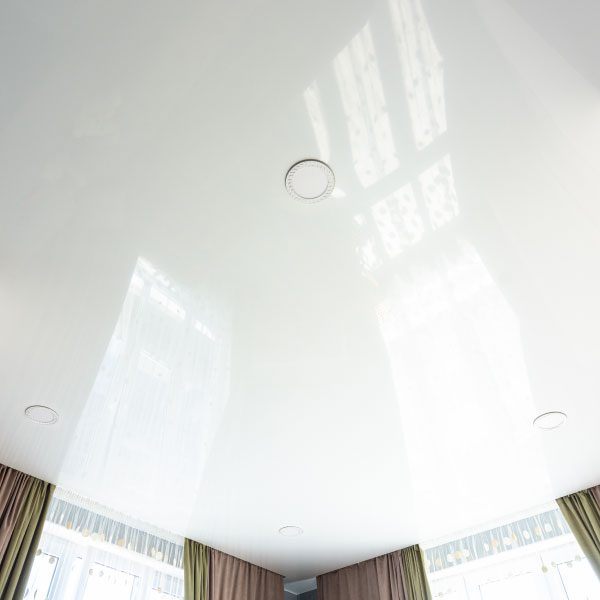
The terms get used interchangeably all the time, and the confusion is understandable. Can lights, recessed lights, downlights, pot lights. They all refer to fixtures that sit inside the ceiling. But there is a real distinction worth understanding, especially when you’re spec’ing a job or helping a client decide between traditional can fixtures and canless recessed lighting.
Let’s break it down.
What Are Can Lights?
Can lights, also called canister lights, pot lights, or recessed can lights, get their name from the cylindrical metal housing that goes inside the ceiling. That housing is the can. It holds the electrical components and the bulb socket, and it requires ceiling clearance above the drywall opening to fit the fixture body. You need enough depth above the ceiling to make it work.
Recessed can lights are one of the most commonly specified fixtures in both residential and commercial settings. They’re versatile, compatible with multiple bulb types including incandescent, halogen, and LED, and reliable for general ambient lighting across a room. Energy efficient LED recessed can lights have become the dominant choice for most residential and commercial applications. Can lights can also be directed toward specific areas, which makes them useful for accent lighting on artwork or architectural features.
Traditional recessed can lights do come with tradeoffs. The housing takes up ceiling space. Clearance depth is a hard requirement. In energy-conscious builds, older can fixtures can also be a meaningful source of heat loss if not properly air sealed.
What Are Canless Recessed Lights?
Canless recessed lighting takes a different approach entirely. No metal housing, no can. The fixture uses a remote junction box for electrical connections, and the LED module mounts directly to the drywall using spring clips. There is no separate bulb. Canless lights use integrated LEDs built directly into the fixture.
This matters in a lot of situations. Canless recessed lighting is the right call for shallow ceilings and low ceilings where a traditional can fixture simply will not fit. The slim profile of canless lights needs far less overhead room than a standard housing. For retrofit work into finished spaces, canless recessed lighting is often the fastest, cleanest path forward.
Installation is generally simpler too. Wiring is more straightforward, and spring clip mounting makes placement easier than fitting a full housing into the ceiling. Before committing to either approach, it helps to understand the full pros and cons of recessed lighting for your specific application.
Canless lights do carry one tradeoff worth flagging. If the integrated LED fails, the whole fixture comes out and gets replaced. There is no bulb swap. That is a maintenance factor worth discussing with clients up front.
Key Differences Between Can Lights and Canless Recessed Lighting
Installation
Recessed can lights require ceiling depth for the housing. Canless recessed lighting goes into shallow ceilings, finished ceilings, and any situation where overhead space is tight. For new construction, either option works well. For retrofits into existing drywall, canless lights are almost always the faster, more practical option.
Bulb Replacement vs Integrated LED
Traditional recessed can lights accept replaceable bulbs. Canless recessed lighting uses integrated LEDs. The light source is built in. This gives canless lights a cleaner appearance and eliminates the separate bulb purchase, but if the LED eventually fails, the full fixture needs to come out. That maintenance consideration can influence whether you favor canless lights, traditional recessed can lights, or even fluorescent lighting technologies for certain project types.
Ceiling Space
Canless lights mount flush and need minimal depth. Recessed can lights need more overhead room. In shallow ceiling applications, this is often the deciding factor between the two.
Light Direction
Recessed lights in the traditional can format generally offer more adjustability. Many can fixtures accept directional trims that let you angle the beam toward task areas or accent features. Canless recessed lighting typically delivers fixed, downward illumination, which works well for ambient and general recessed lighting but offers less flexibility for focused applications. Understanding key lighting metrics like lumens and candela helps predict how focused or diffuse the light will feel in a given space. Comparing candela versus lumen output is especially useful when spec’ing fixtures for task lighting applications.
Air Sealing
Properly sealing recessed lighting matters regardless of fixture type. Traditional can fixtures have historically been a source of air leakage when not installed with air tight housings. The simpler profile of canless recessed lighting can make it easier to seal the installation correctly and cut down on heat loss through the ceiling plane.
Aesthetics
Both recessed can lights and canless recessed lighting sit flush with the ceiling. Canless lights tend to have a slimmer, more minimal face plate. Can lights may show more trim depending on the housing and trim style. In modern interiors, canless recessed lighting typically delivers a cleaner look. Understanding the distinction between can lights and recessed lights helps you match each fixture type to the right application and client expectation.
When to Use Recessed Can Lights
Traditional recessed can lights make sense when the ceiling has enough depth for the housing, when the client wants bulb replaceability for long term flexibility, when the project calls for directional or accent lighting with adjustable trims, or when the fixture needs to accept multiple bulb types to work with existing infrastructure.
Recessed lighting in the traditional can format is still the right call on plenty of jobs, particularly in new construction or spaces where ceiling depth is not a constraint.
When to Use Canless Recessed Lighting
Canless recessed lighting is the better choice when ceiling depth is limited, when the install is a retrofit into finished drywall, when a slimmer look is the priority, or when simplified wiring and faster installation matters. Canless lights have become the default on a lot of residential retrofits and modern commercial builds. Canless recessed lighting has closed most of the gap with traditional can fixtures in output and color quality, and the installation advantages are hard to argue against.
Recessed Lighting in Commercial Applications
In commercial environments, recessed lighting often pairs well with LED flat panel light fixtures for large-area coverage in offices, classrooms, and retail spaces. Both recessed can lights and canless recessed lighting have a place in commercial settings. The right choice depends on ceiling type, available depth, and the specific lighting design requirements of the space.
Recessed lighting fixtures in commercial settings should be rated for the environment, properly sealed, and ideally DLC listed to qualify for utility rebates. Color temperature matters too. For offices and retail where visibility and color accuracy are priorities, 4000K is typically the right call. When putting together a full commercial lighting plan, LED troffer and panel lighting solutions often complement recessed lighting to create balanced, efficient illumination throughout larger spaces. For any outdoor areas on the same project, weather resistant fluorescent lighting options may be worth considering for perimeter or canopy applications.
Summary
Recessed can lights and canless recessed lighting solve the same basic problem. Getting light into a ceiling without a surface mounted fixture. But they do it differently.
Traditional recessed can lights are flexible, accept replaceable bulbs, and can be adjusted directionally. Canless recessed lighting is slimmer, faster to install, better suited for shallow and low ceilings, and delivers the cleaner aesthetic most modern projects call for. Neither is universally better. The right fixture depends on the ceiling, the space, and what the client needs from the recessed lighting long term.
Recessed lighting remains one of the most commonly specified fixture types across residential and commercial work. Understanding where canless recessed lighting has the edge over traditional recessed can lights, and where it doesn’t, helps you match the right product to the right job.
Shine Retrofits carries a full range of recessed lighting options, from traditional recessed can lights to canless lights and everything in between. Have questions about spec’ing the right fixture for your next project? Reach out to our expert representatives.


