


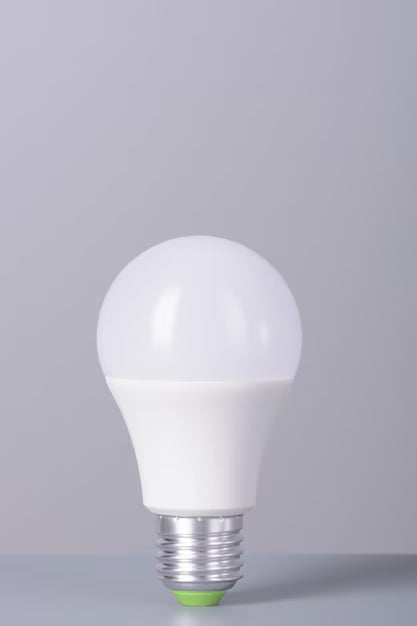
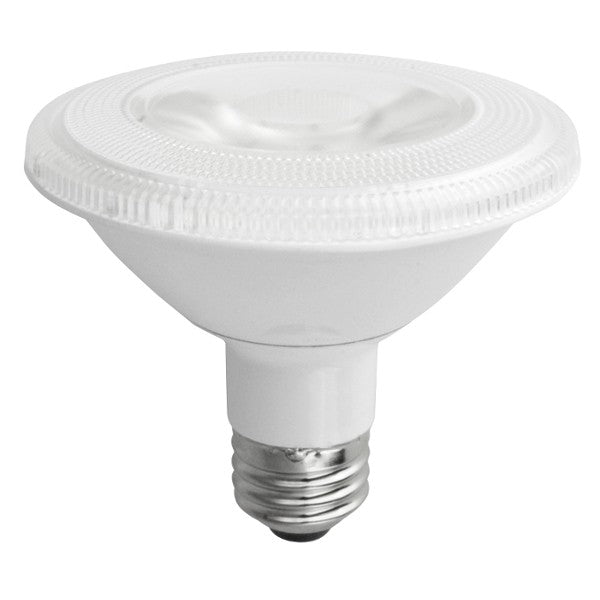
TCP Lighting LED12P30SD24KFL 12 Watt 12W PAR30 Short Neck Dimmable Flood Lamp 2400K
Choose your option
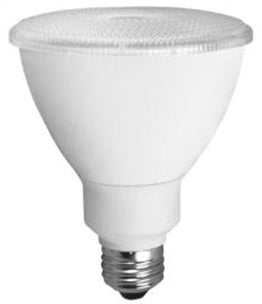
TCP Lighting LED12P30D41KSP 12 Watt 12W PAR30 Dimmable Spot Light 4100K
Choose your option
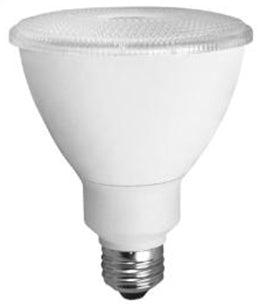
TCP Lighting LED12P30D41KFL 12 Watt 12W PAR30 Dimmable Flood Lamp 4100K
Choose your option
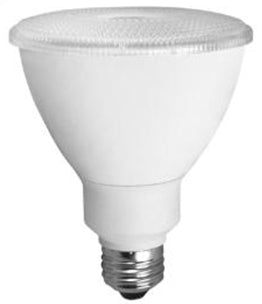
TCP Lighting LED12P30D35KNFL 12 Watt 12W PAR30 Dimmable Narrow Flood Lamp 3500K
Choose your option
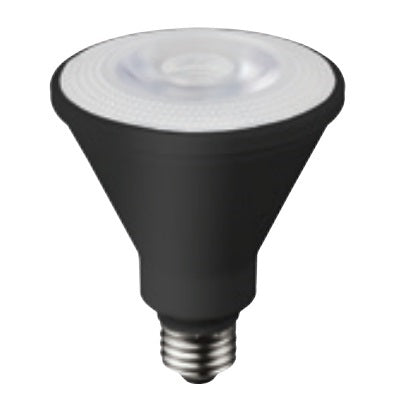
TCP Lighting LED12P30D30KFLB 12 Watt 12W PAR30 Dimmable Flood Lamp 3000K
Choose your option
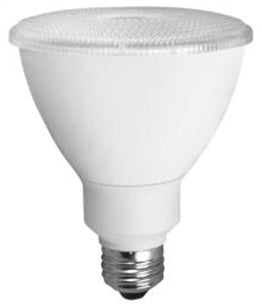
TCP Lighting LED12P30D27KSP 12 Watt 12W PAR30 Dimmable Spot Light 2700K
Choose your option
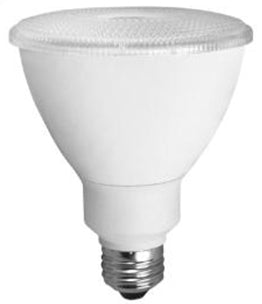
TCP Lighting LED12P30D24KSP 12 Watt 12W PAR30 Dimmable Spot Light 2400K
Choose your option
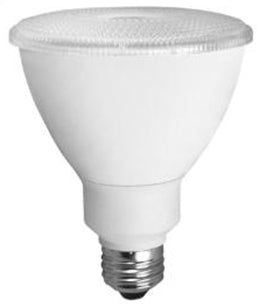
TCP Lighting LED12P30D24KFL 12 Watt 12W PAR30 Dimmable Flood Lamp 2400K
Choose your option
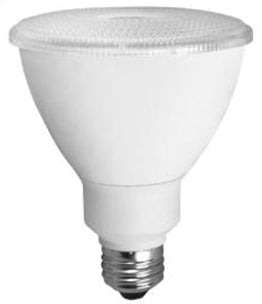
TCP Lighting LED14P30D41KSP 14 Watt 14W PAR30 Dimmable Spot Light 4100K
Choose your option
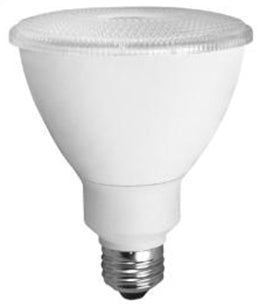
TCP Lighting LED14P30D41KNFL 14 Watt 14W PAR30 Dimmable Narrow Flood Lamp 4100K
Choose your option
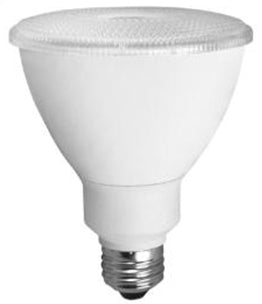
TCP Lighting LED14P30D41KFL 14 Watt 14W PAR30 Dimmable Flood Lamp 4100K
Choose your option
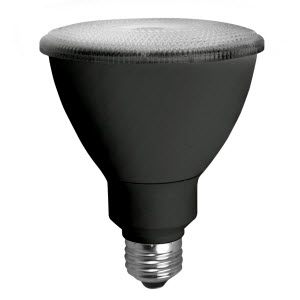
TCP Lighting LED14P30D35KFLB 14 Watt 14W PAR30 Dimmable Flood Lamp 3500K
Choose your option
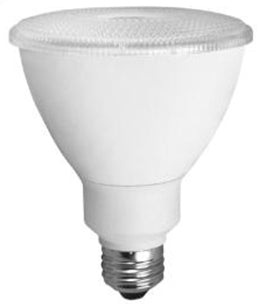
TCP Lighting LED14P30D30KSP 14 Watt 14W PAR30 Dimmable Spot Light 3000K
Choose your option
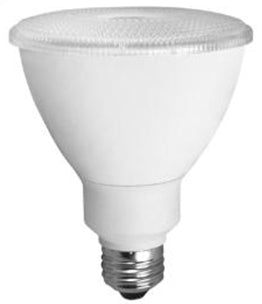
TCP Lighting LED14P30D30KNFL 14 Watt 14W PAR30 Dimmable Narrow Flood Lamp 3000K
Choose your option
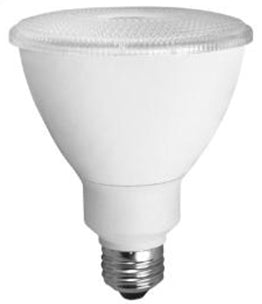
TCP Lighting LED14P30D27KSP 14 Watt 14W PAR30 Dimmable Spot Light 2700K
Choose your option
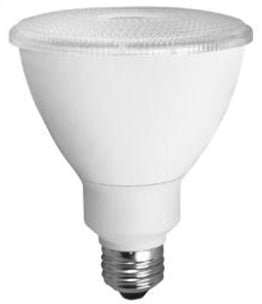
TCP Lighting LED14P30D27KNFL 14 Watt 14W PAR30 Dimmable Narrow Flood Lamp 2700K
Choose your option
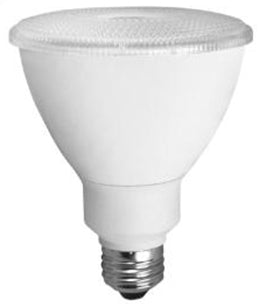
TCP Lighting LED14P30D27KFL 14 Watt 14W PAR30 Dimmable Flood Lamp 2700K
Choose your option
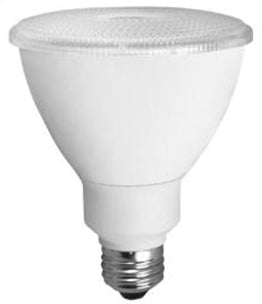
TCP Lighting LED14P30D24KNFL 14 Watt 14W PAR30 Dimmable Narrow Flood Lamp 2400K
Choose your option
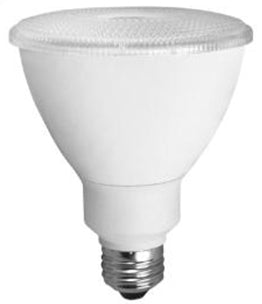
TCP Lighting LED14P30D24KFL 14 Watt 14W PAR30 Dimmable Flood Lamp 2400K
Choose your option
Overview of LED Light Bulbs
LED light bulbs are designed to provide efficient illumination through a process called electroluminescence, where electrical energy is directly converted into light with minimal heat production. This advanced technology allows LED lamps to deliver bright, consistent light while using significantly less energy compared to traditional incandescent or fluorescent bulbs. Built to be reliable and long-lasting, LED bulbs typically feature durable materials and innovative designs that help extend their lifespan, making them an excellent choice for both residential and commercial lighting needs.
This guide will help you understand how LED lights can serve as a modern lighting upgrade for your home by highlighting their major benefits, including superior energy efficiency and improved light quality. By choosing LED bulbs, you not only reduce your electricity consumption and utility bills but also enhance the overall ambiance of your living spaces with a variety of color temperatures and brightness options. Whether you are replacing old bulbs or planning a full lighting overhaul, this resource will provide the essential information needed to select the right LED bulbs that match your fixtures and lifestyle preferences.
Benefits of LED Lights and Led Lighting
LED bulbs are a source of illumination that produce light through electroluminescence, which helps explain why this technology differs from traditional bulbs. They use far less electricity, so they can save money on energy bills and reduce overall environmental impact.
They also last longer than traditional options, and LED lighting offers long-lasting performance that can reach 15-22 years at roughly 3 hours of daily use, which lowers replacement frequency and maintenance costs compared with older lighting choices. On top of that, they emit less heat, and their durability is helped by the fact that many LED bulbs are made of plastic rather than glass, making them a reliable option for everyday use.
LEDs vs Traditional Light Bulbs
Compared with incandescent bulbs, LED lights use 75–85% less energy, emit minimal heat, and help save on power costs. This significant reduction in energy consumption not only lowers your electricity bills but also helps create a cooler environment, as LEDs generate far less heat during operation. These energy savings make LED lamps a cost-effective and environmentally friendly alternative to traditional incandescent lighting.
Compared with CFL bulbs, LED bulbs offer several advantages, and it may also be worth replacing indoor fluorescent tubes with LED lighting to achieve similar benefits in ceiling fixtures and troffers. They can last up to 25,000 hours with daily use, providing a much longer lifespan that reduces the frequency and cost of replacements. LEDs also feature instant-on functionality, delivering full brightness immediately without any warm-up time. Additionally, their ability to emit light in a specific direction makes them particularly effective for applications like recessed downlights and task lighting, where focused illumination is needed.
When compared with halogen bulbs, LED bulbs perform better in cold weather conditions and have a lower environmental impact. This is due to their smaller carbon footprint and the absence of toxic chemicals, which makes LEDs a safer and more sustainable lighting option. Their superior performance and eco-friendly nature make LED lights an excellent choice for both indoor and outdoor lighting needs.
Color Temperature and Bright White Options
Color temperature is measured in Kelvin (K), indicating whether the light emitted appears more yellow or more blue, and understanding what color temperature in Kelvin really means can help you better match light to each room’s purpose. Lower Kelvin values, typically around 2700K, produce a warm, cozy glow that is ideal for creating relaxing and inviting atmospheres. This warmer light is particularly well-suited for living rooms and bedrooms, where comfort and ambiance are priorities. On the other hand, higher Kelvin ratings result in cooler, crisper light that tends toward blue tones, offering a more energizing and focused environment.
For functional spaces like kitchens and bathrooms, bright white light with a Kelvin rating around 3000K to 3500K is often the ideal choice, and understanding when to use different Kelvin levels can help you fine-tune lighting for each area. This color temperature enhances visibility and clarity, making it easier to perform everyday tasks such as cooking, cleaning, and grooming. Bright white light strikes a balance between warmth and coolness, providing sufficient illumination without feeling too harsh or clinical. Additionally, it helps reduce eye strain in areas where precision and attention to detail are important.
When it comes to garages, utility rooms, or workspaces where maximum clarity is essential, daylight lamps with a Kelvin rating near 5000K are recommended; selecting appropriate color temperatures for different spaces ensures the right balance of comfort and visibility. This cooler, bluish light mimics natural daylight and offers superior brightness and contrast, making it easier to see fine details and colors accurately. Daylight bulbs are especially useful for tasks that require concentration and accuracy, such as crafting, mechanical work, or inspecting materials. By selecting the appropriate color temperature for each room, you can tailor your lighting to meet both aesthetic preferences and practical needs effectively.
Choosing the Right LED Bulb for Fixtures
Choosing the right base type is crucial for ensuring fixture compatibility and proper bulb fit, and understanding Type A, Type B, and Type C LED lamps can further guide you when replacing older bulbs in existing fixtures. LED bulbs come in various base types, such as the common E26 screw base for standard household lamps, smaller candelabra bases for decorative fixtures, and GU10 bases for track lighting. Selecting the correct base type not only guarantees that the bulb will physically fit into your fixture but also ensures a secure electrical connection for safe operation. Additionally, LED bulbs are available in a range of shapes—including classic A-shapes, globe shapes, and candle shapes—allowing you to match the bulb’s form to both the fixture design and the desired lighting effect.
Before purchasing LED bulbs, it is important to check the fixture’s enclosed rating and verify the wattage requirements to avoid overheating and ensure safety, especially if you’re deciding whether to retrofit existing fixtures or replace them with new LED fixtures. Matching the lumen output to the specific lighting needs of a room is also essential; for example, a lower Kelvin rating indicates warmer light temperatures, with soft white (2700K) bulbs being ideal for creating cozy atmospheres in bedrooms and living rooms. For task-oriented spaces, consider daylight tones with higher Kelvin ratings to provide clear, bright illumination. Confirming the watt-equivalent on packaging helps you select bulbs that deliver the expected brightness while maintaining energy efficiency, making it easier to tailor your lighting choices to both ambiance and functionality.
Dimmable LED Bulbs: How to Pick and Install
When selecting dimmable LED bulbs, it’s essential to start by identifying them through the packaging label, which clearly indicates their dimmable capability. It’s also important to compare the bulb’s shape, base type, and overall fit to ensure compatibility with your fixture. Using an LED-compatible dimmer switch is highly recommended to achieve smooth dimming performance, as standard incandescent dimmers may cause flickering or buzzing, and not all dimmer switches are compatible with LED lights. Before fully committing, test the dimmer compatibility with a single bulb to avoid issues when installing multiple bulbs. Avoid using non-dimmable bulbs on dimmer circuits, as this can damage the bulb or produce poor lighting effects.
Brightness should be judged by lumens rather than wattage, as LED bulbs use less power to produce the same light output. For example, an 8–10 watt LED bulb typically produces about 800 lumens, making it an efficient replacement for a 60-watt incandescent bulb. When choosing dimmable LED bulbs, match the wattage and shape to your specific fixture and the room’s lighting needs to ensure optimal performance and ambiance, and consider how dimmable LED lights work so you can select the right dimming technology for your setup. This approach helps balance energy savings with the desired lighting effect, providing a flexible and efficient lighting solution for any space.
Maintenance, Disposal, and Recycling of LED Light Bulbs
When it comes to recycling LED light bulbs, it is important to check local recycling options to ensure proper disposal. Many communities offer household e-waste programs or special collection sites where LED bulbs can be safely recycled, helping to recover valuable materials and reduce environmental impact. While LED bulbs do not contain hazardous mercury like some other bulb types, recycling helps minimize landfill waste and supports sustainable resource management. Always consult your local waste management authority or recycling center for guidelines specific to your area.
For maintenance, it is recommended to replace LED bulbs that visibly dim over time, as this gradual dimming indicates the bulb is nearing the end of its lifespan and may no longer provide optimal illumination. Keeping unused bulbs stored in their original packaging can protect them from damage and dust, preserving their quality until they are needed. Proper handling and storage help ensure that replacement bulbs perform as expected when installed, maintaining consistent lighting quality throughout your home or workspace.
FAQs About LED Bulbs
How long do LED light bulbs last?
Most LED light bulbs last 15,000 to 50,000 hours, depending on quality and usage. That means many can run for 10 to 20 years in typical household conditions, making them a longer-lasting option than incandescent or CFL bulbs.
Do LED bulbs get hot during operation?
LED bulbs do produce some heat, but they stay much cooler than traditional bulbs because they convert more energy into light instead of wasted heat. Additionally, when comparing options, shop based on how you’ll use them around the house and the average yearly savings rather than sticker price alone. A full home switch, or about 30 bulbs, can save over $200 annually.
What are recycling and disposal best practices
Unlike CFLs, LED bulbs do not contain mercury, which makes disposal simpler. Even so, it’s still best to check local recycling guidelines, since some parts may be recyclable through household e-waste programs.
How are smart led lights different than standard led bulbs?
Smart LED lights offer extra features such as dimming, color changing, scheduling, and app or voice control, often building on the same principles as dimmable LED lights and their operation. Standard LED bulbs are more basic, but they still provide strong energy efficiency and long life at a lower upfront cost.